BUY 3, GET 1 FREE
Mix and match any products on the store! Add 4 products to your cart and use this code to get 1 of 4 free. Copy the code below + paste it at checkout!
PIKLIZPLEASE

Most hot sauces start with peppers and add acidity and seasoning for balance. Vinegar is common because it brightens flavor and helps preserve the sauce. Salt is nearly always present, and some hot sauces also include garlic, onion, citrus, spices, or a small amount of sweetener depending on the style.
A great hot sauce tastes like real peppers first, not just vinegar or harsh burn. The goal is flavor plus heat, not heat with no personality.

Hot sauce is usually made by blending peppers with vinegar, salt, and seasonings, then letting it rest so the flavor rounds out. Some hot sauces are fermented first, which creates deeper tang and complexity. Others are cooked, which can mellow the pepper bite and add a warmer, richer flavor.
No matter the method, the best hot sauce tastes balanced—pepper-forward, bright, and clean.
Hot sauce can taste tangy, smoky, garlicky, fruity, bright, or deeply savory depending on the peppers and process. Heat level matters, but the best hot sauces still taste like food, not a chemical burn.
If your hot sauce is only “hot,” it’s missing the point. The best ones add flavor, not just fire.
Hot sauce heat ranges from mild warmth to intense burn. Some are designed for everyday use, where you can add a few shakes and keep eating comfortably. Others are made for heat-chasers and can overwhelm the meal quickly.
A good everyday hot sauce gives you steady heat without covering up the flavor of the food.
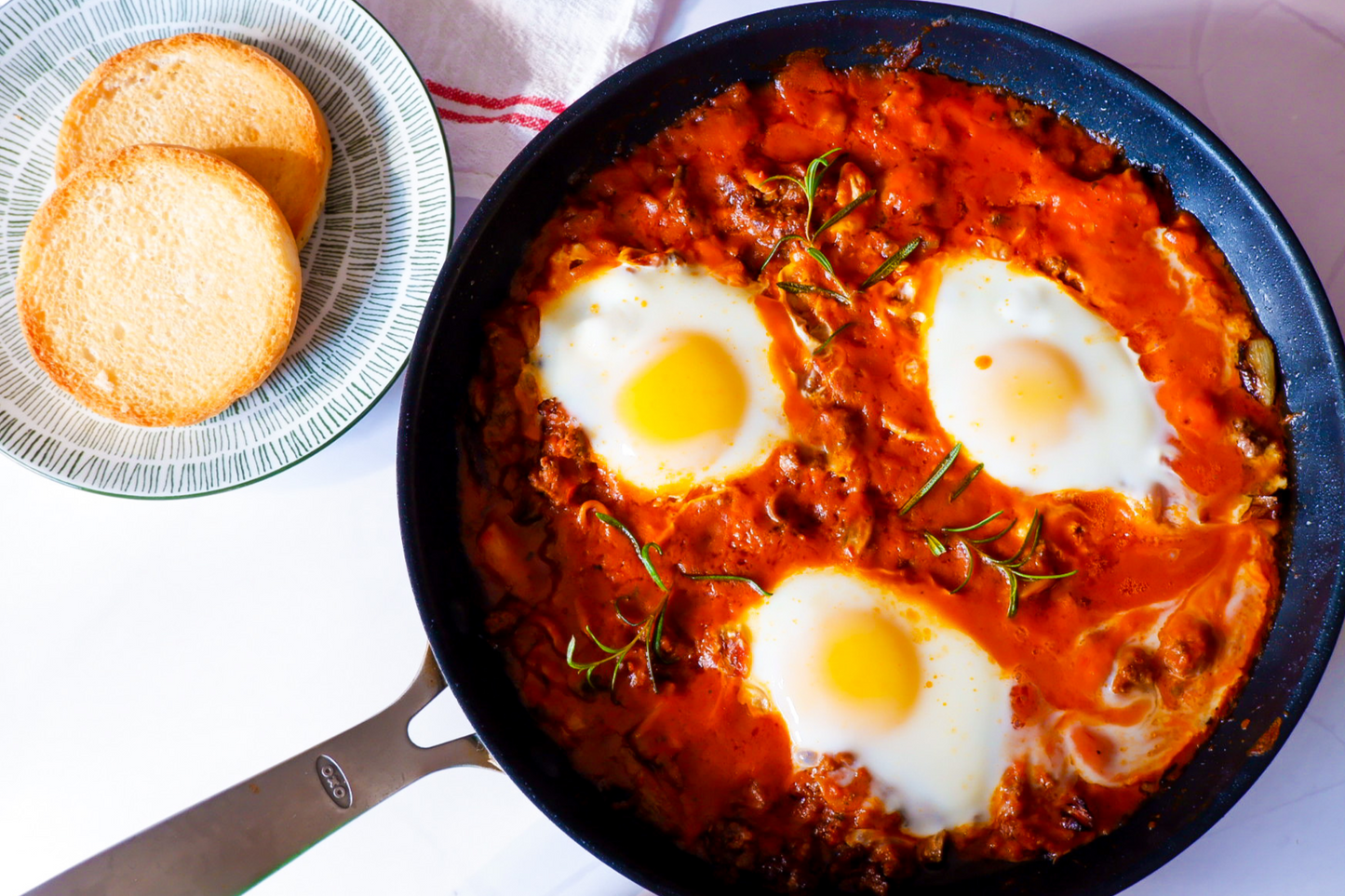
Hot sauce is one of the easiest ways to upgrade everyday meals. It’s classic on eggs and breakfast sandwiches, and it’s a go-to on tacos, burritos, rice bowls, and grilled chicken. It’s also great on pizza, wings, burgers, and anything rich that benefits from heat and acidity.
If you like tangy crunch as well as heat, you may also love pikliz, which is a pepper-and-vegetable condiment (not pickles). Learn what pikliz is here.
There are a few common hot sauce styles. Vinegar-forward hot sauces are bright and sharp. Fermented hot sauces tend to be deeper and more complex. Smoky hot sauces often use roasted peppers or smoke flavor. Fruity hot sauces use ingredients like mango, pineapple, or citrus to balance heat. Garlic-forward hot sauces lean savory and punchy.
If you’ve tried one hot sauce and didn’t love it, it usually means you haven’t found the style that matches your food.

A good hot sauce starts with peppers and tastes clean. Look for an ingredient list you understand, a flavor profile you actually want to eat, and heat that feels food-friendly. If a sauce tastes bitter, harsh, or only “burns,” it usually isn’t balanced.
If you want a pepper-forward hot sauce that works on everyday foods, start here: Alexandra’s Pikliz® Hot Sauce.
Not always. Hot sauce is usually thinner and focused on peppers, acidity, and heat. Chili sauces can be thicker and may include more sweet or savory ingredients.
Many hot sauces are shelf-stable because of vinegar and salt, but it’s best to follow the label. Refrigeration can help preserve flavor over time.
Eggs, tacos, or pizza. Those foods make it easy to taste the difference between heat-only and flavor-plus-heat.
Hot sauce can be a lighter option because a little goes a long way, but it depends on ingredients and sodium. The best approach is choosing one you’ll use consistently in small amounts.
That’s hot honey. Start here.